
How Does a Horse's Hoof Function During a Gallop?
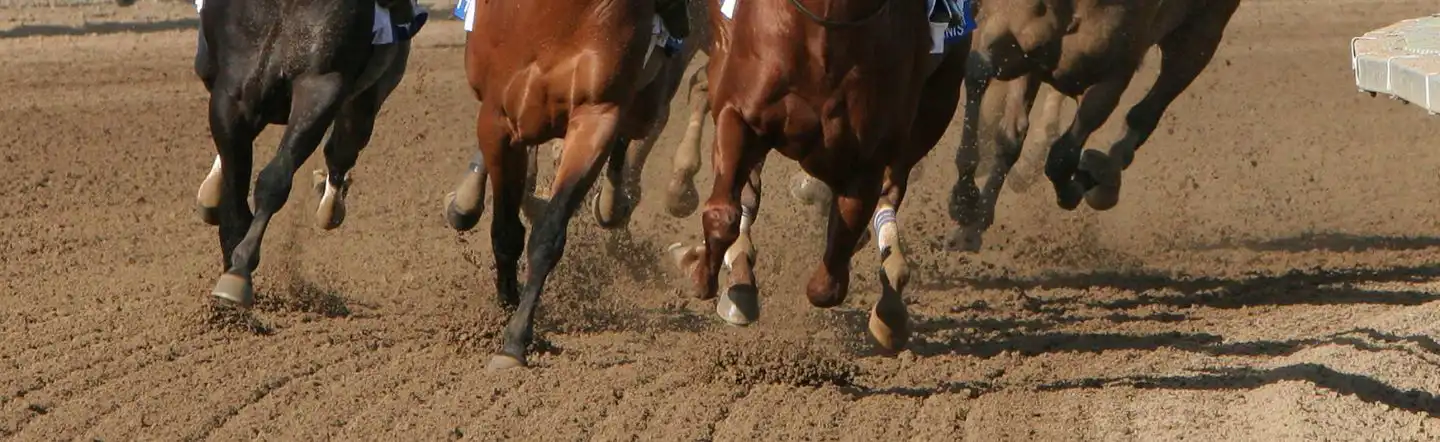
Galloping is one of the most impressive forms of locomotion in the animal kingdom. Travelling at speeds of over 60 km/h, a horse is capable of withstanding substantial mechanical forces with every stride. These forces are generated each time the hoof strikes the ground and are repeated hundreds of times within just a few minutes.
Such athletic performance would not be possible without the equine hoof. Far more than a protective outer shell, the hoof forms the vital interface between the horse and the ground. It is a highly sophisticated biomechanical system designed to absorb, distribute, store and partially return energy, enabling efficient and powerful movement.
Ground Contact: Biomechanical Processes in Milliseconds
The moment the hoof makes contact with the ground, a series of biomechanical events takes place within milliseconds. The forces created by the impact must first be absorbed and redistributed before they can be transmitted to the structures higher up the limb.
This ability to manage substantial loads efficiently is one of the hoof's primary functions and plays a fundamental role in the horse's exceptional athletic performance.
The Hoof Capsule Flexes Under Load
Despite its solid appearance, the hoof capsule is not completely rigid. As the horse's weight is applied, it undergoes subtle deformation that allows it to respond effectively to the forces acting upon it.
Small Movements with a Major Function
During the loading phase, several processes occur simultaneously:
- the hoof capsule flexes slightly;
- the heels expand;
- the frog compresses;
- the digital cushion absorbs part of the energy generated at impact.
Although these movements are barely visible, they are essential to the biomechanical function of the hoof.
The Frog Helps Distribute Pressure
The frog plays a key role in managing the forces acting on the hoof. By increasing the contact area with the ground, it helps distribute pressure more evenly and reduces localised peak loading.
At the same time, it improves hoof stability and contributes to the hoof's natural shock-absorbing capacity. A healthy, well-developed frog is therefore essential for optimal hoof function.
The Digital Cushion: The Hoof's Natural Shock Absorber
Within the hoof, the digital cushion performs a vital role during the loading phase. As it compresses under load, it absorbs a significant proportion of the impact forces generated when the hoof meets the ground.
This compression helps protect the deeper structures of the hoof and limb by reducing the transmission of shock. Its function is often compared to a vehicle's suspension system, cushioning impact before it reaches the rest of the musculoskeletal system.
The Hoof Stores and Returns Energy
The hoof does far more than absorb impact. Thanks to its elastic structures, it is also capable of temporarily storing part of the mechanical energy generated during ground contact.
As the hoof leaves the ground, part of this stored energy is released, contributing to forward propulsion. This mechanism improves locomotor efficiency and helps reduce the amount of energy the horse must expend during movement.
A Remarkably Efficient Biomechanical System
The hoof combines several essential functions within a single anatomical structure. During every gallop stride, it provides:
- shock absorption;
- force distribution;
- temporary energy storage;
- partial energy return during breakover and push-off.
The integration of these functions allows horses to sustain high speeds while efficiently managing the repeated mechanical loads generated during locomotion.
ET Hoofcare Expert Insight
Every gallop stride demonstrates the extraordinary sophistication of the equine hoof. Beneath its seemingly simple exterior lies a highly developed biomechanical system, capable of managing substantial forces while supporting efficient, balanced movement.
Understanding these mechanisms highlights the importance of maintaining healthy hooves, providing high-quality hoof care, and ensuring regular trimming or farriery to preserve long-term hoof function and equine performance.
Did You Know?
During fast galloping, this complex biomechanical sequence is repeated hundreds of times within just a few minutes. Despite these repeated impacts, the hoof continually protects the horse's limbs by efficiently managing the forces generated with every stride.
Conclusion
With every gallop stride, the hoof absorbs, distributes, stores and partially returns energy generated during ground contact. This unique combination of biomechanical functions makes the hoof one of the key contributors to the horse's remarkable athletic ability and exceptional efficiency of movement.