
Horse Hoof Abscess: Causes, Symptoms, Treatment, and Prevention
A hoof abscess – also known as a sole abscess or hoof infection – is a bacterial infection inside the hoof. It is by far the most common cause of sudden lameness in horses. Because the hoof is a hard, enclosed structure, inflammation inside cannot escape, causing pressure to build up. This leads to intense pain, and the horse will often avoid bearing weight on the affected leg, walking on three legs.
What Is a Horse Hoof Abscess and How Does It Form?
In a hoof abscess, bacteria enter the hoof through tiny cracks or injuries and infect the corium (also known as the dermis), the sensitive living tissue beneath the hoof wall. The infection leads to pus accumulation. Since the hoof cannot expand, pressure increases inside, resulting in severe pain.
Common Causes of Hoof Abscesses in Horses
The bacteria responsible for abscesses are naturally present in the horse's environment. They can reach the deeper parts of the foot via:
- Small cracks, nail holes, or horn separation.
- Soften hooves due to prolonged exposure to wet, muddy conditions or poor stable hygiene.
- Sharp objects (e.g., nails or stones) that puncture the hoof and trap dirt inside once the entry closes again.
- Irregular or poor trimming, which compromises the hoof wall's strength.
Anything that weakens the integrity of the hoof horn can increase the risk of infection.
Hoof Abscess Symptoms and Early Warning Signs in Horses
Common signs of a hoof abscess include:
- Sudden, severe lameness without a clear cause.
- Increased heat in the hoof.
- A strong digital pulse in the affected leg.
- Swelling that may extend to the fetlock or even higher, especially if the infection persists.
- Strong reaction to hoof testers, usually indicating a specific sensitive area.
- If untreated, the abscess may burst through the coronary band or the frog, releasing pus.
How Vets and Farriers Diagnose a Hoof Abscess
A farrier or veterinarian will use hoof testers to identify the painful area. If the entire hoof is sensitive, the exact location may be difficult to determine. In such cases, X-rays or thermal imaging may assist in diagnosis.
How to Treat a Hoof Abscess in Horses (Step-by-Step)
- Opening the abscess: Once located, the abscess is drained through the sole or white line to allow the pus to escape. Relief is often immediate.
- Soaking the foot: If the abscess cannot be located, the hoof is soaked for several days in warm water with Epsom salts or a mild disinfectant like Biotex or Betadine to soften the sole and encourage the abscess to surface.
- Spontaneous drainage: Sometimes the abscess bursts on its own through the coronary band or frog.
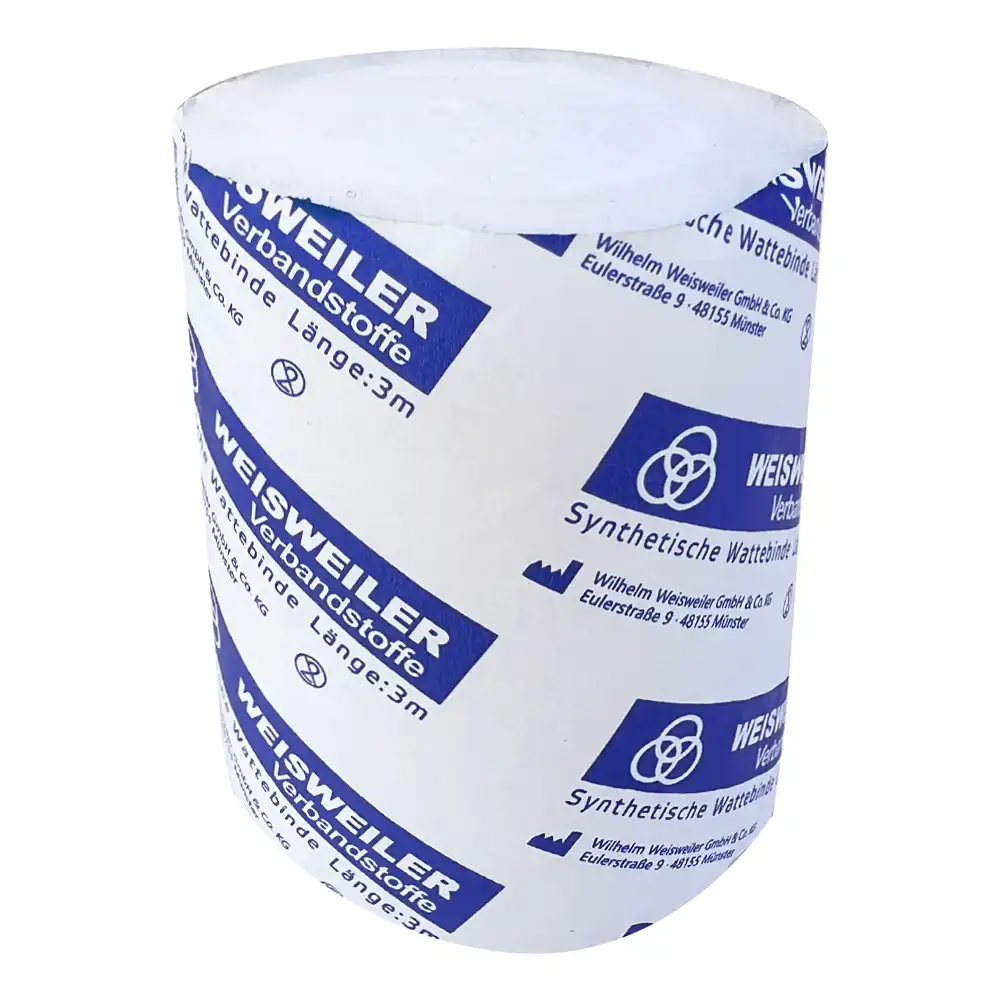
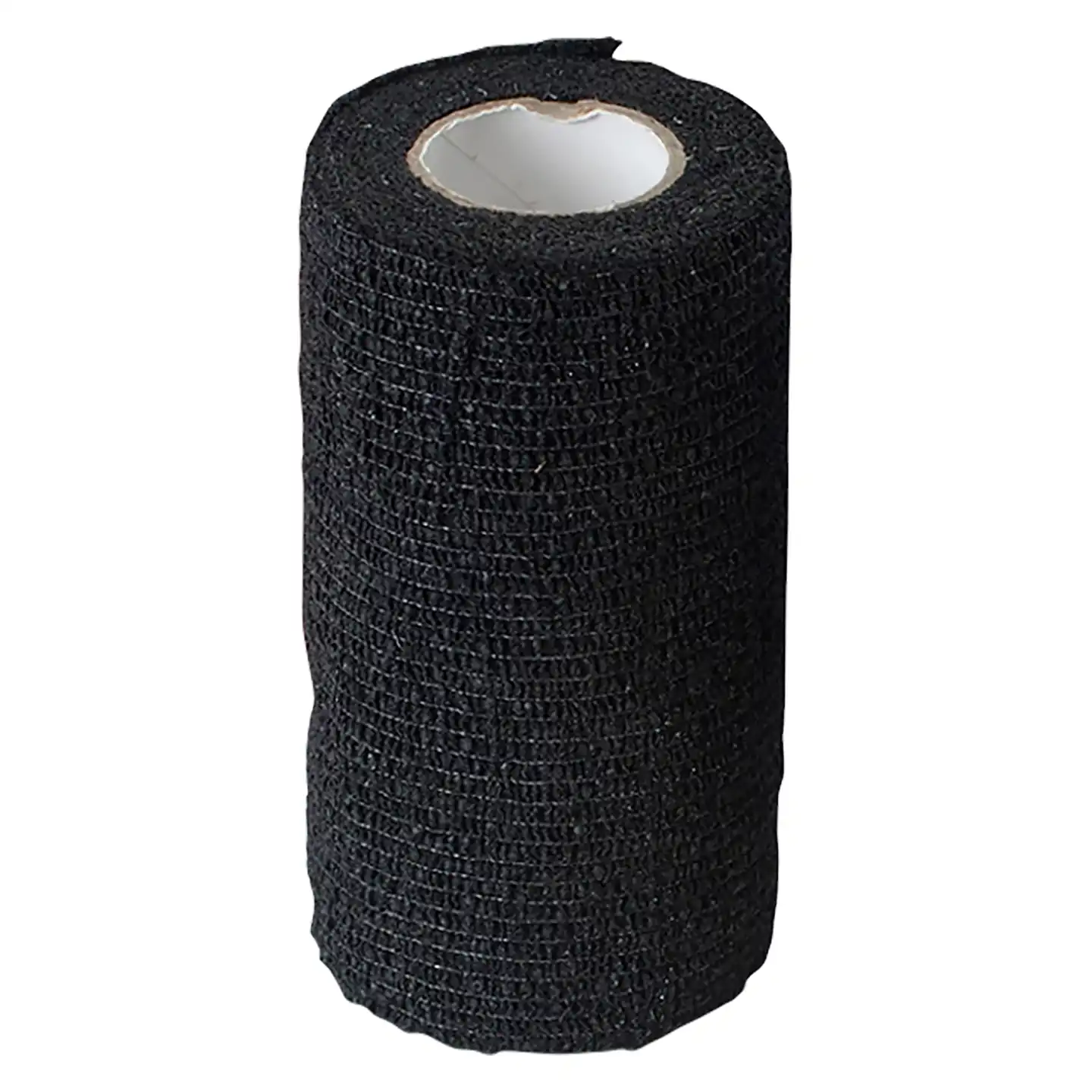
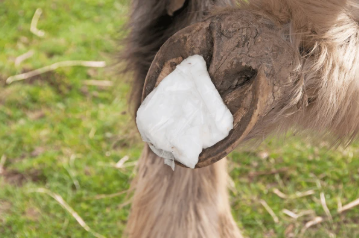
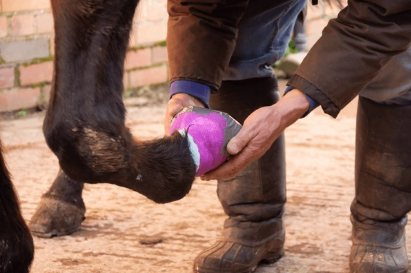
- Post-treatment care: After draining, the hoof must be kept clean and dry. A bandage or hoof boot protects the area. The veterinarian will guide you on wound care duration.
- Complicated cases: Deep or large abscesses may require multiple treatments or follow-up visits.
Hoof Abscess Recovery Time and Prognosis for Horses
The prognosis is generally excellent. Once the pressure is relieved, many horses improve quickly. Depending on the severity, most horses return to normal work within a few days to a week.
How to Prevent Hoof Abscesses in Horses
While hoof abscesses are common and not always preventable, you can significantly reduce the risk by:
- Scheduling regular farrier visits for trimming.
- Daily hoof picking.
- Maintaining a clean and dry environment (stable, paddock, pasture).
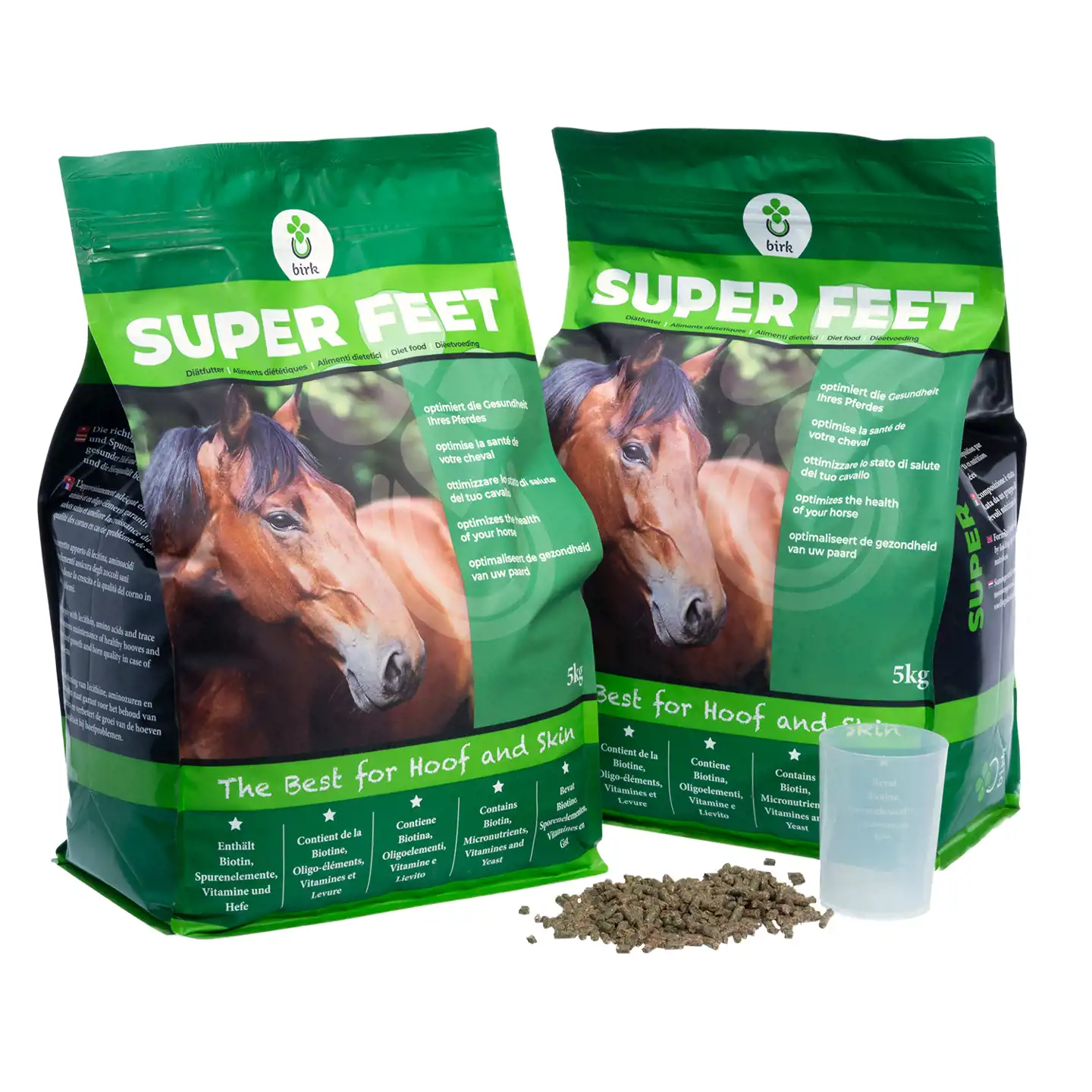
- Ensuring good hoof health and horn quality through proper nutrition and hygiene.
Final Thoughts: Managing and Preventing Horse Hoof Abscesses
A hoof abscess is a painful but highly treatable condition when identified early. Proper hoof care, cleanliness, and prompt action are key to quick recovery and effective prevention. If you suspect a hoof abscess, don’t hesitate to contact your farrier or veterinarian.
We recommend these products:
>Disover more about about bandage material here.
>Disover more about about hoof and skin care here.