

Tick Prevention for Horses – Even in Winter
Ticks can be active year-round and pose a serious risk of Lyme disease. Contrary to common belief, their activity is not limited to spring or summer. Even during winter, ticks can remain a threat, particularly in mild climates or wooded areas. Learning how to protect, check, and care for your horse effectively throughout the year is crucial for equine health.
For equine professionals—veterinarians, farriers, grooms, and horse owners—implementing a year-round tick management routine is an essential part of preventive care. Daily inspection, prompt removal of ticks, and awareness of early symptoms significantly reduce the risk of infection and potential complications.
What is Lyme in Horses?
Lyme disease, also known as borreliosis, is a serious bacterial infection transmitted by ticks. Like humans, horses can become infected after a tick bite, and the disease can affect multiple organ systems. Infected horses may not show immediate signs, making early detection and prevention critical.
Lyme in horses is challenging to diagnose because symptoms are often nonspecific or intermittent. Prevention remains the most reliable strategy since completely avoiding tick bites is nearly impossible for horses that live outdoors, especially in forested or high-grass areas. A consistent preventive approach helps reduce the risk and improves outcomes if infection occurs.
Checking and Prevention
Effective tick prevention relies on multiple complementary measures. No single method provides complete protection, so combining approaches is essential.
Professionals can use various products to reduce tick exposure:•
- Natural remedies, such as tea tree oil, specific shampoos, or essential oil sprays
- Conventional insecticidal sprays, applied according to manufacturer instructions
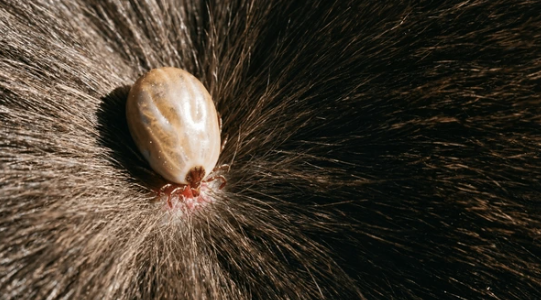
Despite the type of product used, the most important step is the prompt removal of ticks. The longer a tick remains attached, the higher the risk of transmitting Lyme disease. Use a tick remover or fine tweezers to extract the tick carefully, ensuring the mouthparts are completely removed. Never apply alcohol or other chemicals directly to the tick, as this may increase the chance of pathogen transmission.
Daily inspections of the horse are critical, especially in wooded areas or on pasture. Small, unengorged ticks are often only a few millimeters in size, making them easy to overlook. Routine checking of the coat and skin is the most reliable way to detect ticks early.
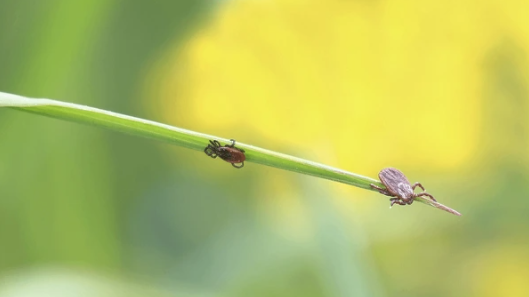
Active Year-Round
Ticks are not strictly seasonal; their activity is temperature-dependent rather than limited by calendar months. Understanding their year-round behavior is key to effective prevention.
Key points to consider:
- Ticks become active at temperatures above 7°C (45°F), even in winter
- Severe, prolonged frost can reduce tick activity but rarely eliminates them
- Mild winters increase the risk of tick presence and bites
Importantly, Lyme disease can be transmitted even during the winter months. Reducing vigilance in colder periods exposes horses to significant risk. Year-round preventive measures are therefore recommended for all horses, regardless of season.
Symptoms and Testing
Lyme disease in horses can present with a wide range of clinical signs, which are often subtle or intermittent. Careful observation is essential, particularly when a horse exhibits unexplained lameness or changes in behavior.
Common signs to watch for include:
- Fever
- Shifting or intermittent lameness
- Swollen, stiff joints
- Muscle soreness or sensitivity
- Weight loss
- Lethargy or reduced performance
- Behavioral changes
- Neurological abnormalities
Because these symptoms can overlap with other conditions, laboratory testing is often necessary. Horses can be tested relatively easily for Lyme disease through blood tests. Early detection enables timely intervention and improves the prognosis.
Home Remedy for Ticks
In addition to commercial products, many equine professionals and owners use natural tick repellents. While these do not replace daily checks and proper removal, they can help reduce a horse’s attractiveness to ticks.
A commonly used home spray can be prepared as follows:
- 1 liter of lukewarm water
- 10 drops of tea tree oil
- 10 drops of eucalyptus oil
- 10 drops of lavender oil
- 5 drops of lemongrass oil
Apply the spray to the most exposed areas: the legs, groin, armpits, and neck. Always monitor the horse for any skin reactions, as some animals may be sensitive to essential oils. Used properly, this natural spray can be a useful part of an integrated tick-prevention strategy.
Conclusion
Tick prevention for horses is a year-round responsibility. Their activity depends on temperature rather than season, meaning even winter poses a real risk of Lyme disease. Combining daily inspection, proper tick removal, use of repellents, and monitoring for clinical signs is essential. For equine professionals, implementing a consistent preventive program is a key step in maintaining long-term horse health and wellbeing.