

Stress in Horses: How to Recognize, Prevent and Support with Nutritional Supplements
Stress in Horses: Understanding the Signs and Supporting Your Horse's Wellbeing
Horses constantly communicate through subtle behavioural and physical signals. Learning to recognize these signs is essential for owners and riders, as prolonged stress can negatively affect both health and performance. Early intervention and proper management can help maintain your horse's physical and emotional balance.
What Is Stress in Horses?
Stress is a natural physiological response to a perceived threat or challenge. Commonly known as the "fight-or-flight" response, it prepares the body to react to demanding situations.
While short-term stress is normal and even beneficial, chronic stress can have serious consequences. Prolonged exposure to stress may weaken the immune system, alter behaviour and increase the risk of health problems such as gastric ulcers and stereotypic behaviours.
Recognizing the Symptoms of Stress
Stress can manifest itself through both physical and behavioural changes. Paying attention to these signs can help identify problems before they become more severe.
Physical Signs
Common physical symptoms include:
- Increased heart rate and shallow breathing.
- Muscle tension, stiffness or uneven movement.
- Reduced appetite, weight loss or fluctuations in body condition.
- A dull coat, digestive disturbances and sleep disruption.
Behavioural Signs
Stress often affects a horse's behaviour and attitude. Typical signs include:
- Restlessness, jumpiness and hyper-alertness.
- Aggression or social withdrawal.
- Stable vices such as cribbing, weaving or wind-sucking.
- Reluctance to work and difficulty maintaining focus.
Common Causes of Stress in Horses
Many factors can contribute to stress. Environmental and social changes, such as moving to a new stable or changes within the herd, are among the most common triggers.
Insufficient exercise, lack of routine and limited social interaction can also affect a horse's emotional balance. Physical discomfort caused by ill-fitting tack, dental problems or lameness should not be overlooked, as pain is a major source of stress.
Other contributing factors include loud noises, inconsistent handling and excessive training demands.
Transport Stress in Horses
Travelling can be stressful for horses, even when journeys are relatively short. Loading, transport itself and unloading all expose horses to unfamiliar situations that may affect both their behaviour and their physical health.
A recent German study found that around 42% of horses showed behavioural or physical signs of stress during journeys lasting less than two hours. Common behavioural signs included reluctance to load, nervousness, fear, aggression and rearing, with most problems occurring during loading and while travelling. Horses transported alone were more likely to show stress-related behaviours than those travelling with a companion.
Physical problems included loose manure, minor injuries and, less commonly, respiratory issues. Researchers believe that transport-related stress can disturb the normal balance of the digestive system, which may contribute to digestive upset.
Several simple management practices can help reduce transport stress. Whenever possible, transport compatible horses together, allow horses to lower their heads naturally during travel, provide access to familiar forage, maintain good hydration and allow sufficient recovery time after the journey.
For horses that travel frequently for competitions, breeding or sales, nutritional support may also be beneficial. Supplements that support digestive health—such as probiotics, prebiotics or hindgut-support formulations—may help maintain intestinal balance during periods of stress. These supplements should always be used alongside good management and husbandry, not as a substitute for them.
Reference: May A., Riley C.B., Scharre A., Zablotski Y., Padalino B. (2025). A survey of welfare problems associated with transporting horses by road in Germany (2022–2024). The Veterinary Journal, 311:106322.
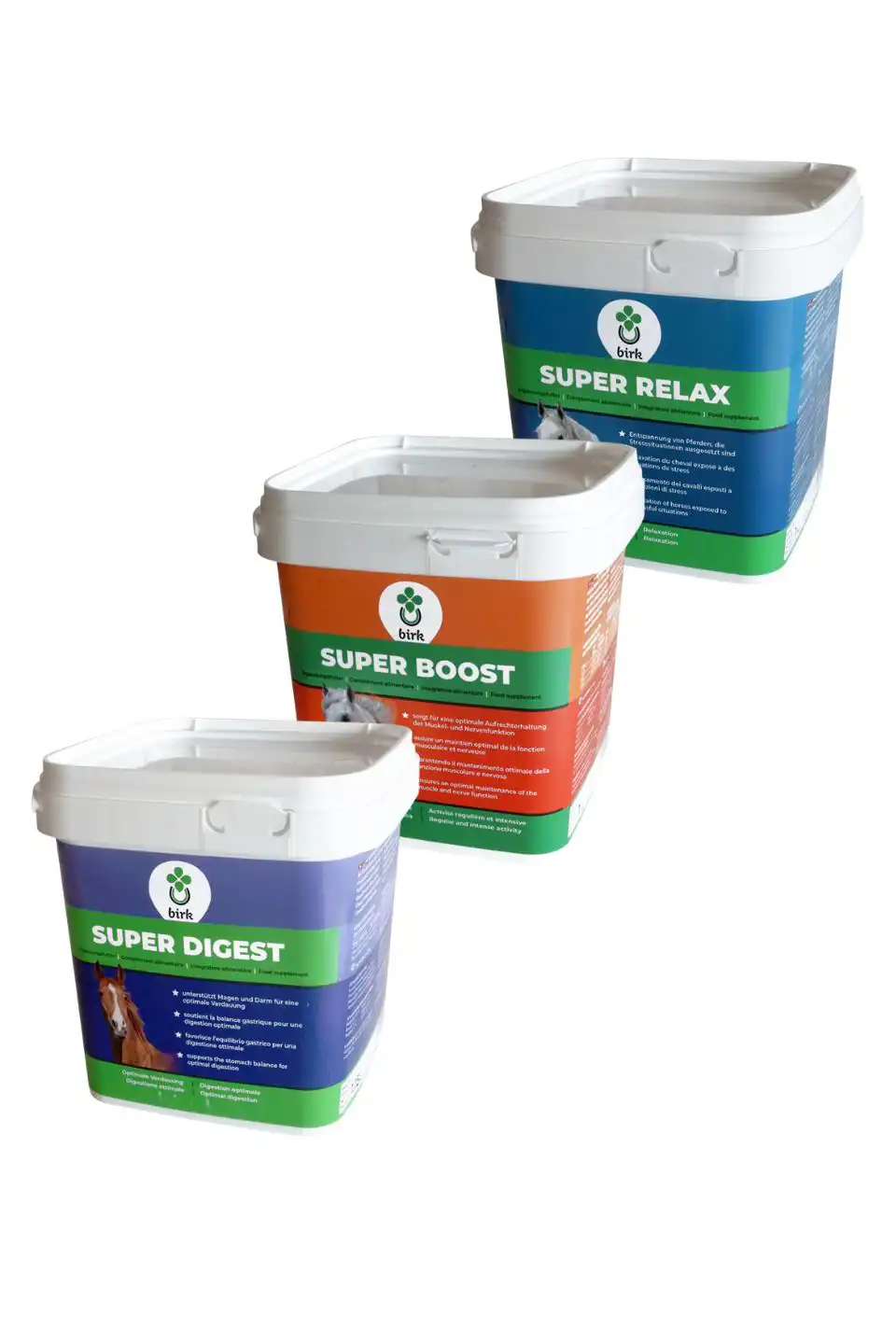
How to Prevent Stress
Establish a Consistent Routine
Horses thrive on predictability. Providing a calm and regular daily routine, combined with sufficient turnout and exercise, helps promote a sense of security and reduces stress levels.
Encourage Social Interaction
As highly social animals, horses benefit greatly from contact with other horses. Adequate social opportunities contribute significantly to their mental wellbeing.
Monitor Health and Equipment
Regular checks of saddle fit and dental health can help identify sources of discomfort before they develop into chronic problems. Training programs should be adapted to each horse's physical and mental capacity and should always include adequate rest periods.
Nutrition also plays an important role. Providing sufficient forage and avoiding sudden dietary changes supports digestive health and contributes to overall wellbeing.
If signs of stress persist, veterinary or behavioural advice should be sought to identify any underlying causes.
Nutritional Supplements That May Support Stressed Horses
Nutritional supplements can provide additional support, but they should never replace good management practices or appropriate veterinary care. Consultation with a veterinarian or equine nutritionist is always recommended before introducing new supplements.
Magnesium
Magnesium (Mg) plays an important role in nerve and muscle function. It may help reduce muscular tension and excitability, thereby supporting a calmer response to stressful situations.
Tryptophan
Tryptophan is a precursor of serotonin and may help promote calmness and emotional balance. It is often combined with magnesium and B vitamins in equine stress-support formulations.
B Vitamins
Vitamins B1, B6 and B12 support the nervous system and energy metabolism. They contribute to stress resilience and help maintain normal physiological functions.
L-Theanine and Amino Acids
L-theanine and certain amino acids may exert mild calming effects without causing sedation, making them useful for supporting relaxation while maintaining alertness.
Herbal Extracts
Herbal ingredients such as valerian, chamomile and passion flower are commonly used for their soothing properties. However, only approved and high-quality formulations should be used.
Omega-3 Fatty Acids
Omega-3 fatty acids, particularly EPA and DHA, support brain health and may help regulate the body's stress response over the long term.
Probiotics and Prebiotics
Growing evidence highlights the close relationship between the gut microbiome and stress regulation. Probiotics and prebiotics help maintain a balanced intestinal environment, which plays an important role in overall wellbeing.
Conclusion
Stress in horses should never be underestimated. Recognizing the early signs and addressing potential causes through appropriate management can significantly improve a horse's quality of life.
A stable environment, proper nutrition and regular veterinary care remain the foundations of stress prevention. When necessary, targeted nutritional supplements may provide valuable support as part of a comprehensive approach to equine wellbeing.